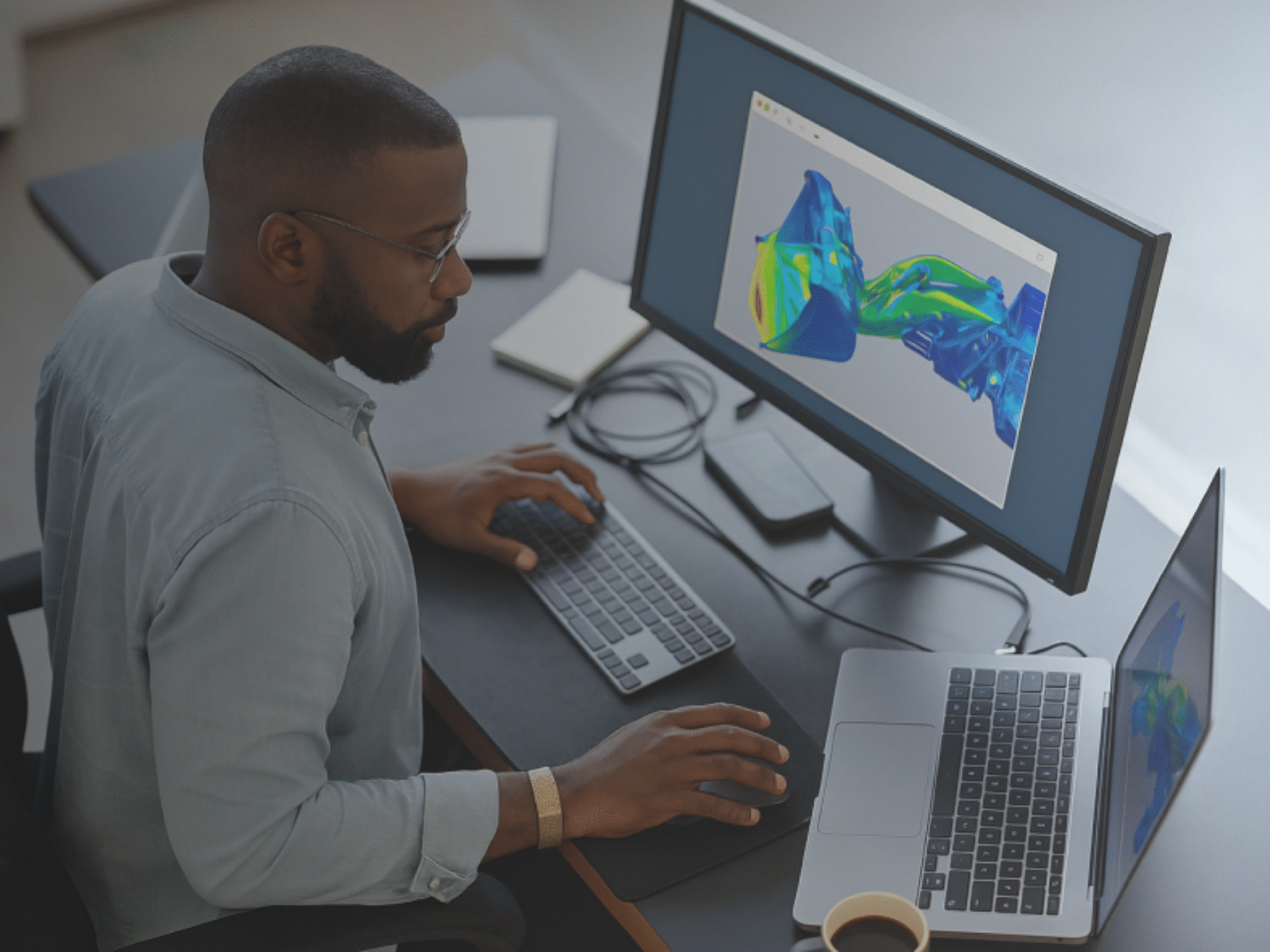
Engineering teams often face significant challenges when product designs change late in development. These updates may stem from new requirements, manufacturing constraints, or field feedback. Late-stage changes are difficult to manage because they must be validated quickly without introducing delays or compromising reliability.
Outsourced Finite Element Analysis (FEA) is a practical solution. When applied correctly, it helps engineering teams evaluate design updates under deadline pressure. With the right partner, FEA becomes a tool for reducing design risk and avoiding expensive rework, tooling changes, or downstream performance issues.
Understanding the Risk of Late-Stage Design Updates
Last-minute changes can introduce unintended consequences. Modifications to geometry, material choices, or assembly structure can impact performance in ways that are not always visible without detailed analysis. Teams working on tight timelines may not have the internal bandwidth or simulation tools to validate the changes thoroughly.
FEA helps quantify how those changes affect stress distribution, fatigue life, heat transfer, or dynamic response. This analysis is essential to ensure that updated designs meet project requirements without increasing risk or shifting failure modes.
The Value of External Simulation Support
Outsourcing FEA provides engineering teams with additional capacity and simulation expertise. This is especially valuable when internal tools are already committed to other tasks or when advanced simulation capabilities are needed.
External partners bring the ability to:
- Run simulations independently
- Use tools not available internally, such as nonlinear or thermal-transient solvers
- Deliver results on short timelines
This support allows in-house teams to stay focused on integration, testing, or documentation, while simulation results guide confident decision-making in parallel.
Typical Use Cases for Outsourced FEA
Outsourced FEA adds the most value when designs are evolving quickly and production schedules cannot slip. Common examples include:
- Structural parts modified for weight savings or simplified machining
- Thermal components reconfigured due to packaging changes
- Fastener or weld locations updated for assembly efficiency
Each of these changes introduces new load paths, contact surfaces, or thermal boundaries. Without FEA, teams are left to guess how the product will perform. Simulation replaces that guesswork with verified performance insights.
Reducing Rework and Avoiding Escalating Costs
Validating changes through simulation before tooling or production avoids costly design revisions. Errors that escape detection at this stage often surface during test, certification, or field use, when they are most expensive to fix.
Simulation prevents oversights by exposing stress concentrations, material limits, or thermal hotspots. By catching these issues early, teams avoid re-spinning parts, remaking molds, or halting production.
How to Work Efficiently with an FEA Partner
To get the most from outsourced FEA, preparation is key. Effective partnerships follow a clear workflow:
- CAD models are provided with load cases, material data, and boundary conditions
- Expectations are defined upfront, including turnaround time and result format
- Simulation tasks are assigned based on critical risk areas or known constraints
Most FEA partners can work independently once aligned on these inputs. Status check-ins keep the effort on track while freeing internal teams for other tasks.
Simulation Improves Outcomes and Maintains Momentum
The ability to validate late-stage changes quickly can be the difference between staying on schedule and missing a delivery window. Outsourced simulation enables teams to respond with agility while keeping risk low.
Rather than relying on conservative assumptions or unverified changes, simulation provides hard data. It gives teams the confidence to proceed with updates that are both manufacturable and reliable.
Support When It Matters Most
RFA Engineering provides outsourced simulation support for teams that need fast, accurate results without compromising product quality. Our engineers help validate changes, identify risk, and ensure readiness for production.
If your project is under pressure and simulation expertise is limited, partnering with a trusted FEA team can reduce risk and help keep development on track.

